Table of Contents
If you sit in a glass-walled office in Gurugram or Bengaluru, scrolling through Twitter (now X) and ordering an oat milk latte via an app, you are living in a bubble. You are living in “India”—a globally connected, English-first, digital-native economy of perhaps 100 million people. It’s a lucrative market, sure, but it is also a saturated one. The Cost of Customer Acquisition (CAC) is skyrocketing, and loyalty is as thin as the foam on your latte.
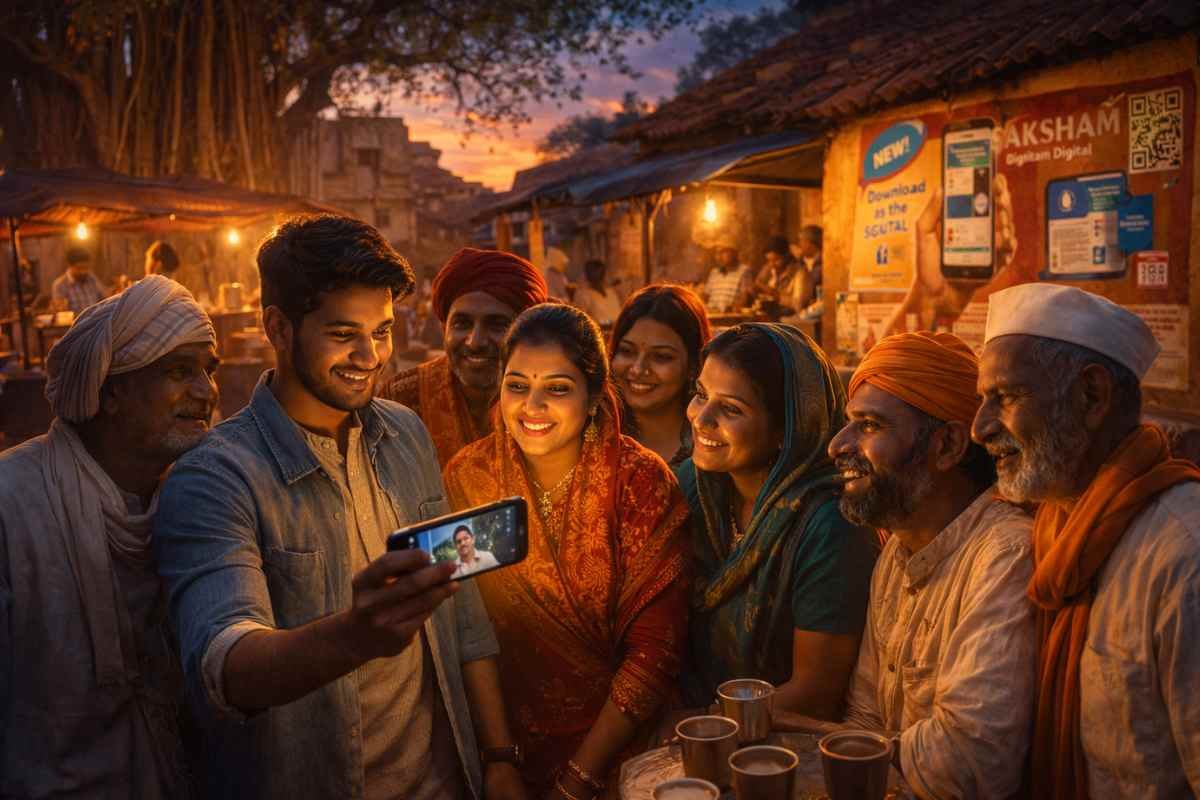
Step outside that bubble, however, and you enter “Bharat.” This is the India of Tier-2 cities, bustling district headquarters, and aspirational villages. It is a market of over 800 million people who are coming online at a breakneck pace, fueled by the cheapest data in the world and the ubiquity of smartphones. The recent economic indicators are screaming this truth: rural demand is spiking, infrastructure is connecting the hinterland, and the aspirations of a young population in Bihar, Odisha, and Madhya Pradesh are reshaping consumption patterns.
But here is the catch: You cannot sell to Bharat using the same playbook you used for India. A slick, minimalist, English-heavy Instagram ad that works in Bandra will fall flat in Bulandshahr. The consumer in Bharat is value-conscious but quality-obsessed, tech-savvy but trust-deficit wary, and deeply rooted in local culture. To win here, you need to unlearn your urban biases and embrace a new set of rules. Here are 8 actionable strategies to crack the code of marketing to non-metro India.
1. Language: Beyond Translation to ‘Transcreation’
Google Translate is not a marketing strategy. Simply translating your English copy into Hindi or Tamil is often a disaster. It lacks soul, context, and emotion. In Bharat, dialects change every 100 kilometres. The Hindi spoken in Lucknow (Tehzeeb-laden) is vastly different from the Hindi spoken in Patna (direct and colloquial).
- The Strategy: Move from translation to Transcreation. Hire local copywriters who understand the nzaakat (nuance) of the region. Use colloquialisms, local idioms, and regional humour. Brands like Zomato leverage local slang on billboards in specific cities (“Kemon achen Kolkata?” vs “Ki hal hai Delhi?“). Your app and marketing materials should support not just formal languages, but the “Hinglish” or “Tanglish” that people actually speak.
2. The ‘Trust Anchor’: The Phygital Necessity
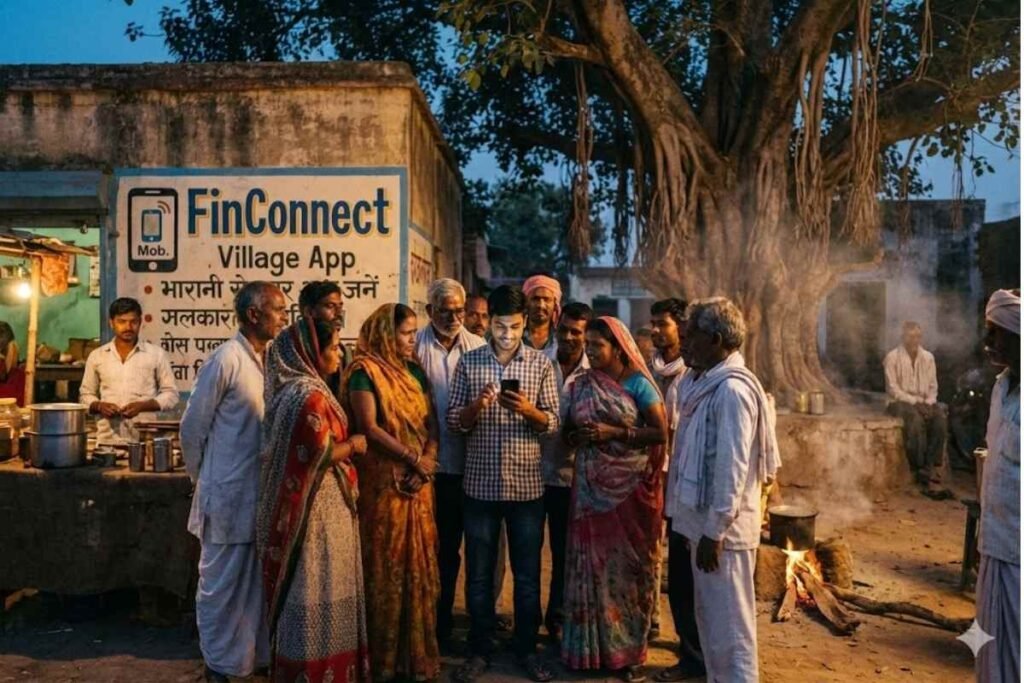
In Metro India, we trust the “Cloud.” We buy insurance, gold, and even cars online without seeing a human. In Bharat, trust is physical. The digital ecosystem is viewed with a degree of suspicion—scams are a real fear. A digital-only presence often feels ephemeral and untrustworthy.
- The Strategy: Establish a “Phygital” (Physical + Digital) presence. You need a “Trust Anchor”—a human face or a physical location associated with your brand. This is why Amazon and Flipkart partnered with local kirana stores for deliveries. The local shopkeeper acts as the trust bridge. If you are a fintech app, employ local “mitras” (friends/agents) who can explain your product face-to-face. Even a small physical kiosk builds disproportionate credibility.
3. The ‘Sachet’ Economy: Low Ticket, High Volume
The genius of the FMCG sector in the 90s was the “sachet”—selling shampoo for ₹1 instead of a bottle for ₹100. This logic applies perfectly to the digital economy of Bharat. The consumer here has high aspirations but limited liquidity. They may hesitate to pay a ₹1000 monthly subscription, but will happily pay ₹10 per day.
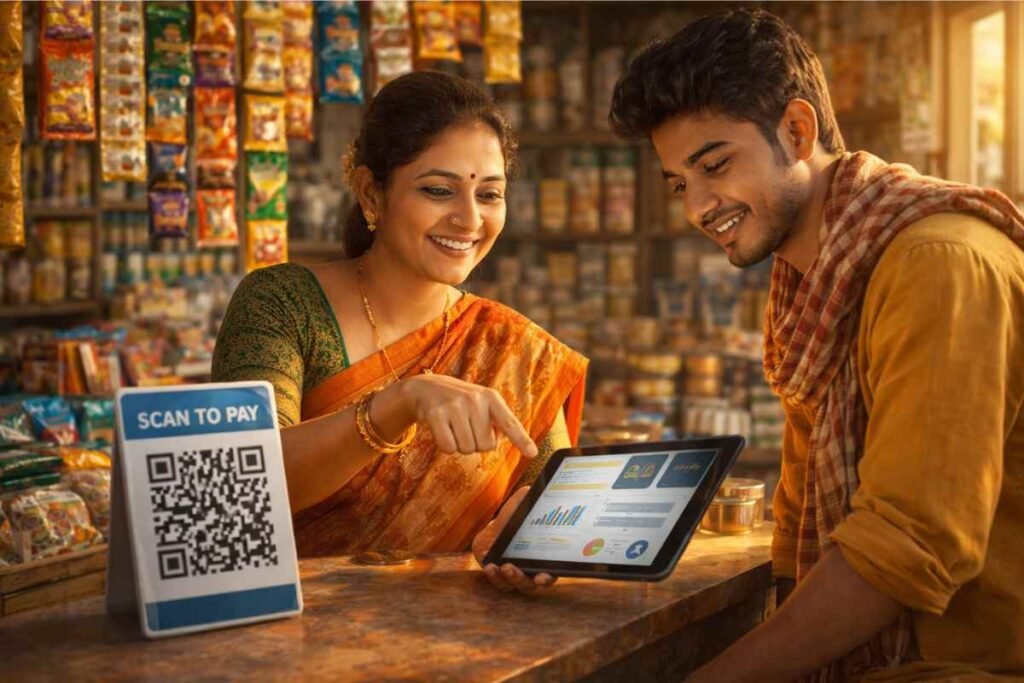
- The Strategy: Unbundle your offering. Create “micro-products.” If you are an ed-tech company, don’t sell a full-year course; sell a single chapter or a specific skill module for ₹49. If you are a gaming platform, offer daily passes. High-volume, low-value transactions via UPI are the heartbeat of Bharat’s economy.
4. Video-First, Text-Last
Literacy is no longer a barrier to the internet, thanks to voice search and video. But text-heavy interfaces are a friction point. The consumer in Bharat consumes the internet almost exclusively through video—YouTube Shorts, Instagram Reels, and platforms like Moj and Josh.
- The Strategy: Your marketing funnel should be video-led. Product explanations, testimonials, and even customer support should be in video format. Use vertical video (9:16 aspect ratio) because the mobile phone is the primary screen. A 30-second video of a person explaining your product in the local language is worth ten pages of FAQs.
5. The ‘Micro-Influencer’ Over the Movie Star
A Bollywood celebrity endorsing a product is aspirational, but it can also feel distant. In Tier-2 and Tier-3 cities, the “neighborhood hero” holds more sway. The local teacher, the gym trainer, or the regional Instagrammer with 50k followers has a higher trust quotient than a star with 50 million followers.
- The Strategy: Build an army of Nano and Micro-influencers. These creators speak the local dialect, look like the audience, and have high engagement rates. They are affordable and authentic. A review from a trusted “bhabhi-ji” in a Kanpur housing society WhatsApp group drives more conversion than a generic banner ad.
6. Aspiration with Utility: Sell ‘Progress’, Not Just Lifestyle
Urban marketing often sells “Lifestyle”—status, luxury, indulgence. Bharat marketing responds better to “Progress.” The aspiration in non-metro India is about upward mobility—getting a better job, learning English, building a house, securing the family’s future.
- The Strategy: Position your product as a tool for advancement. Don’t just sell a smartphone as a camera for selfies; sell it as a tool for online learning or running a business. Don’t just sell a skin cream for beauty; sell it for the confidence to ace a job interview. Connect your value proposition to the tangible goals of the user.
7. Leverage the ‘Whatsapp University’ (Responsible Virality)
WhatsApp is the internet for Bharat. It is the primary source of news, entertainment, and social connection. It is where communities congregate. However, it is a closed network, making it hard to penetrate without spamming.
- The Strategy: Create content that is “Share-Worthy”. Good morning messages, festival greetings, and useful “life hacks” travel fast. Create branded utility content—a calendar of auspicious dates, a quick calculator for loan interest, a checklist for crop care—that carries your logo but provides genuine value. If the content is useful, it will be forwarded voluntarily, giving you organic reach in closed groups.
8. Assisted Commerce: The ‘Do It For Me’ (DIFM) Model
While DIY (Do It Yourself) is the norm in the West and Metro India, Bharat prefers DIFM (Do It For Me). Technology is often seen as complex, and the fear of pressing the wrong button (and losing money) is high.
- The Strategy: Build “Assisted Commerce” layers. Allow customers to order via a voice note on WhatsApp. Provide a “Click to Call” button where a human agent can finish the transaction for them. Apps like RailYatri or various banking correspondents succeed because they offer a layer of human assistance over the digital tech stack.
The Gold Rush is Outside the City Limits
Marketing to Bharat is not about “dumbing down” your product; it is about “opening up” your accessibility. It requires humility—the willingness to accept that a farmer in Vidarbha might know more about value-for-money than a product manager in Bengaluru.
The brands that will define the next decade of the Indian economy are those that can bridge this divide. They are the ones who treat the non-metro consumer not as a statistic, but as a sophisticated, culturally rich individual with dreams as big as the sky over their village.
Have you tried a marketing campaign in a Tier-2 city? What worked and what failed? Share your “Bharat” insights in the comments below!