Table of Contents
For decades, the boardroom language of India Inc. has been a crisp, sterilized corporate English. Strategies are drafted in English, apps are coded in English, and marketing campaigns are conceived in English, often by copywriters who dream in English. Yet, step out of the glass towers of Gurugram or the cafes of Indiranagar, and the linguistic landscape shifts tectonically. You enter the vibrant, chaotic, and immensely profitable world of Bharat—a marketplace where trust is transacted in Hindi, Tamil, Marathi, Bengali, and Telugu.
There is a growing, undeniable disconnect between the language of the seller and the language of the buyer. While English remains the language of aspiration and B2B contracts, regional languages are the languages of emotion, connection, and increasingly, digital commerce. The “Next Billion Users” coming online are not typing “best shoes for running” into Google; they are speaking into their phones, asking, “Sabse badhiya daudne waale joote dikhao.” To ignore this is not just cultural snobbery; it is bad business.
Leveraging regional languages is no longer a “nice-to-have” diversity initiative; it is a strategic imperative for survival and scale. It is the difference between being a niche urban brand and a national powerhouse. Here are 10 actionable ways to harness the power of the vernacular to build trust, deepen reach, and explode your bottom line.
1. The ‘Bol’ Revolution: Optimize for Voice Search
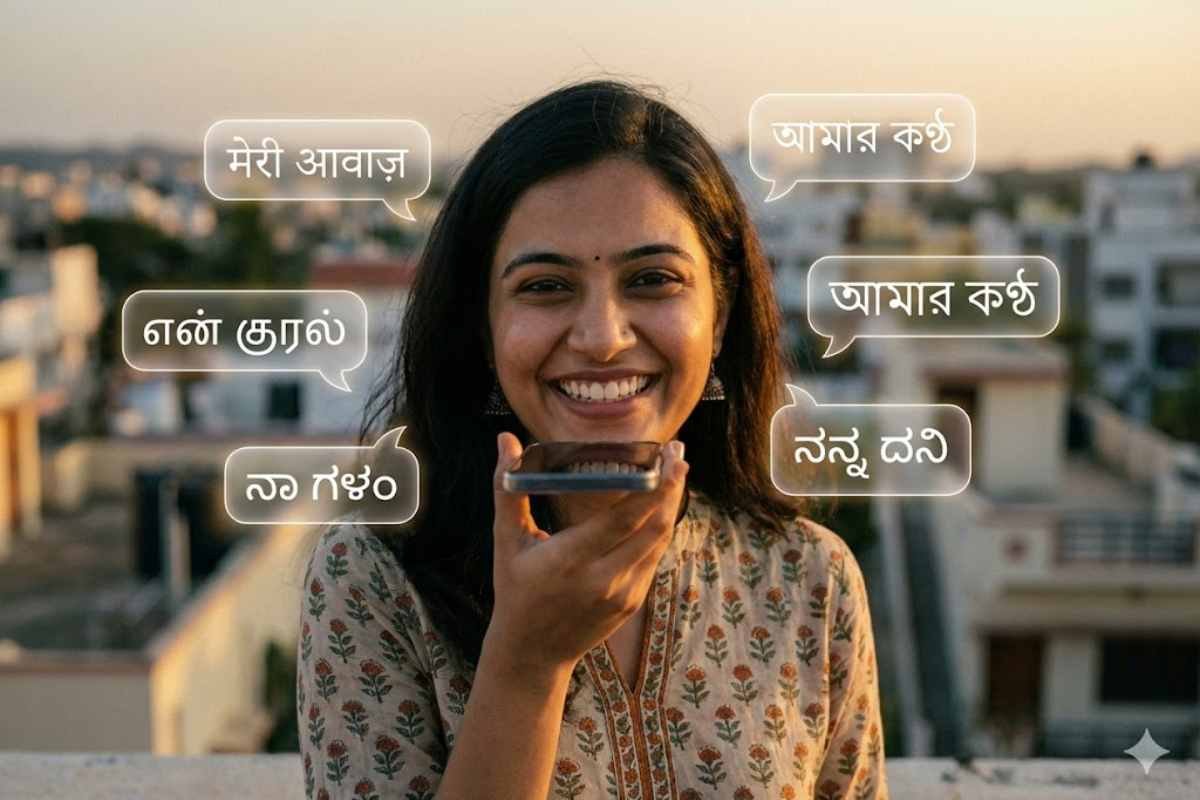
The keyboard is an intimidating barrier for many new internet users. The microphone is not. India is one of the world’s fastest-growing markets for voice search, and the vast majority of these queries are in vernacular languages.
- The Strategy: Don’t just translate your keywords; transcreate your SEO strategy for conversational voice queries. People don’t speak the way they type. A typed query might be “Cheap flights Mumbai Delhi.” A spoken query in Hindi would be “Mumbai se Delhi ki sabse sasti flight kab hai?” Optimize your content for these long-tail, conversational phrases in regional scripts.
2. Transcreation Over Translation: The UI Challenge
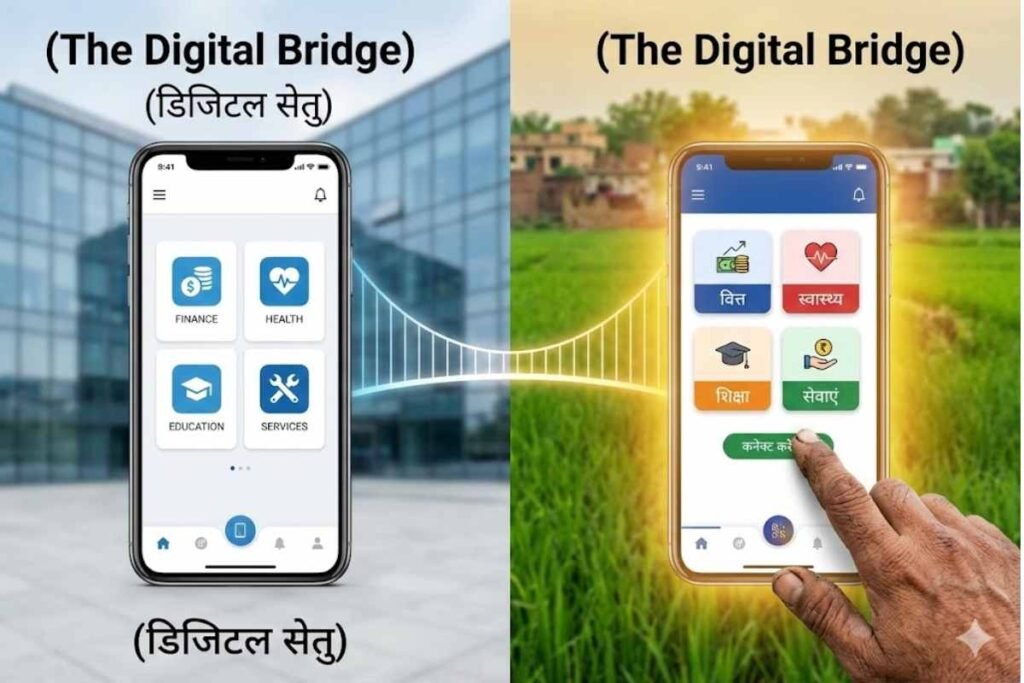
Google Translate is the enemy of nuance. A literal translation of “Book Now” to “Abhi Kitab Karein” makes no sense. The correct contextual term might be “Seat Reserve Karein” or simply “Book Karein” written in the Devanagari script.
- The Strategy: Hire native UX writers, not just translators. Use “Hinglish” or “Tanglish” (Tamil-English) where appropriate. The goal is to reduce cognitive load. If your user has to pause to decipher high-brow Hindi terms, you’ve lost them. The language on your buttons should match the language in their heads.
3. The ‘Apnapan’ Support Line: Vernacular Customer Service
Nothing destroys trust faster than a panicked customer from a Tier-3 city trying to explain a payment failure to an agent who only speaks English or an automated bot with a heavy accent.
- The Strategy: Offer customer support in the user’s mother tongue. This isn’t just about solving the problem; it’s about apnapan (a sense of kinship). Companies like Meesho exploded in rural India because they built trust through vernacular support. If a live agent is too expensive, invest in high-quality, vernacular chatbots that understand colloquialisms and regional slang.
4. Hyper-Local Video Marketing
Video is the internet’s default mode, and regional video consumption is skyrocketing. A slick, high-production ad in English with subtitles often feels like an outsider looking in.
- The Strategy: Create “lo-fi,” authentic video content featuring local influencers or even your own customers speaking their native dialect. A testimonial in Bhojpuri from a real user carries infinitely more weight in Bihar than a polished English ad featuring a Mumbai model. Use platforms like ShareChat and Josh to distribute this content where the vernacular audience lives.
5. The ‘Desi’ Meme Game
Humour is deeply cultural and linguistic. A meme about a generic corporate struggle might fly over the head of a user in Coimbatore, but a meme referencing a local superstar or a regional festival will go viral instantly.
- The Strategy: Decentralize your social media. Don’t just have one “India” page. Have regional handles or at least regional content streams. Empower local creators to make memes and content that tap into the specific pop-culture references of that state. Zomato does this brilliantly, tweaking its humour for different cities.
6. WhatsApp as the Vernacular Storefront
For many Indians, the internet is WhatsApp. It is a familiar, low-friction environment where language barriers are lower because voice notes and colloquial text are the norms.
- The Strategy: Use WhatsApp Business API to send updates and offers in regional languages. Allow customers to reply via voice notes. If you are a D2C brand, enabling a “Chat to Buy” feature in Hindi or Marathi can significantly reduce cart abandonment rates compared to a formal, English-heavy checkout process.
7. Trust in the Fine Print: Vernacular Contracts
Fintech and Insurtech startups often face a “trust deficit” because their Terms & Conditions are dense walls of English legalese. A user might click “Accept,” but they don’t trust what they signed.
- The Strategy: Provide summaries of key terms—especially regarding refunds, claims, and data usage—in simple, regional languages. “No Questions Asked Refund” creates more confidence when it reads “Bina Sawaal Kiye Paise Wapas” for a Hindi speaker. Transparency in one’s own language is the ultimate trust signal.
8. Regional Packaging and Unboxing
The physical product experience matters. If a customer in rural Maharashtra orders a product and the box, the manual, and the thank-you note are all in English, it reinforces the idea that the product is “foreign” or “elite.”
- The Strategy: Include a thank-you note in the local language of the shipping destination. Ensure the “How to Use” guide has clear, vernacular instructions. This small touch during the unboxing experience signals respect and creates a lasting emotional bond.
9. Leveraging Regional Festivals
India has a calendar full of festivals that act as massive economic drivers, yet many national brands only focus on Diwali and Holi.
- The Strategy: Go micro. Celebrate Ugadi in Karnataka, Poila Boishakh in Bengal, or Lohri in Punjab with specific, language-centric campaigns. Using the specific greetings, food references, and cultural nuances of these regional festivals in your marketing shows that you are not just selling to a demographic; you are part of their community.
10. Hiring for ‘Bhasha’ Skills
You cannot build a vernacular strategy with a monolingual team. If your marketing team sits in Bandra and only speaks English, your regional strategy will always feel synthetic.
- The Strategy: value linguistic diversity in your hiring process. Treat proficiency in a regional language as a hard skill, not a hobby. A product manager who understands the nuances of Telugu can spot UI issues that an English speaker would miss. Build a team that reflects the linguistic diversity of the market you are trying to capture.
The Language of Profit
The era of the “English-first” internet in India is plateauing. The next phase of growth belongs to those who can speak the language of the masses. This is not about abandoning English; it’s about expanding your vocabulary to include the heartbeat of the nation. It’s about understanding that while English might impress the investors, it is Tamil, Hindi, and Bengali that will impress the customers.
Start small. Pick one region, one language, and go deep. You will find that when you speak to a customer in the language they think in, you don’t just get a sale; you get their loyalty.
Have you tried marketing in a regional language? What was the response? Share your experiences and your favourite “lost in translation” moments in the comments below!