Table of Contents
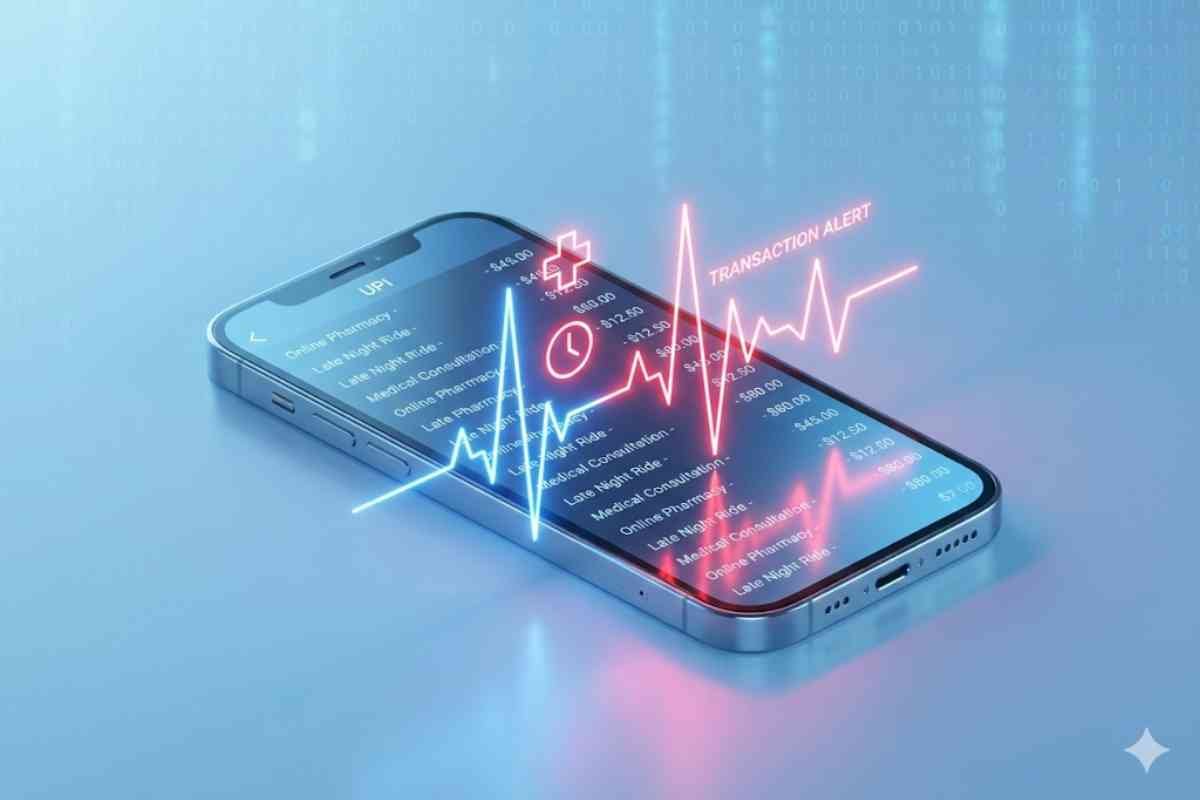
In the traditional Indian household, the health of the family was monitored through observation and intuition. A mother would touch a forehead to check for fever; a father would notice if his son wasn’t eating his dinner; a spouse would sense the tossing and turning of insomnia. We call this khayal rakhna—to take care, to observe. But as our lives fracture into busy, urban silos and our interactions become more digital, these physical cues are often missed. We might not see the dark circles under a brother’s eyes or the slight limp in a parent’s walk. However, in modern India, there is a new, brutally honest pulse monitor that tracks our well-being in real-time: the Unified Payments Interface (UPI) transaction history.
Buried within the mundane scroll of grocery bills and petrol payments lies a secret narrative of physical and mental health. When a person is sick, anxious, addicted, or struggling, their spending habits shift. These shifts leave a digital footprint long before the person admits they need help. By learning to read these “financial vitals,” we can transform UPI from a mere payment tool into a powerful instrument of preventive care and seva (service). It allows us to ask the right questions at the right time, turning data into compassion.
The Digital EKG: Why Financial Data Reflects Health
Before UPI, cash was the great concealer. A teenager could spend pocket money on cigarettes, or a depressed spouse could buy comfort food with cash, and the paper trail ended the moment the note changed hands. Cash has no memory.
UPI, however, is a relentless diarist. It records the time, the merchant, and the frequency of every interaction with the economy. Health issues, whether physical or mental, almost always necessitate a transaction. Insomnia leads to late-night spending; anxiety leads to impulse buying or hoarding; addiction leads to specific, repetitive transfers.
Dr. Sameer Malhotra, a psychiatrist based in Delhi, notes, “Behavioral changes are the first symptom of many conditions. In today’s world, behavior is inextricably linked to spending. A sudden change in financial patterns is often the ‘canary in the coal mine’ for mental health crises or hidden addictions.”
Here are the seven specific spending red flags that should trigger your protective instincts.
1. The Pharmacy Loop (The Chronic Warning)
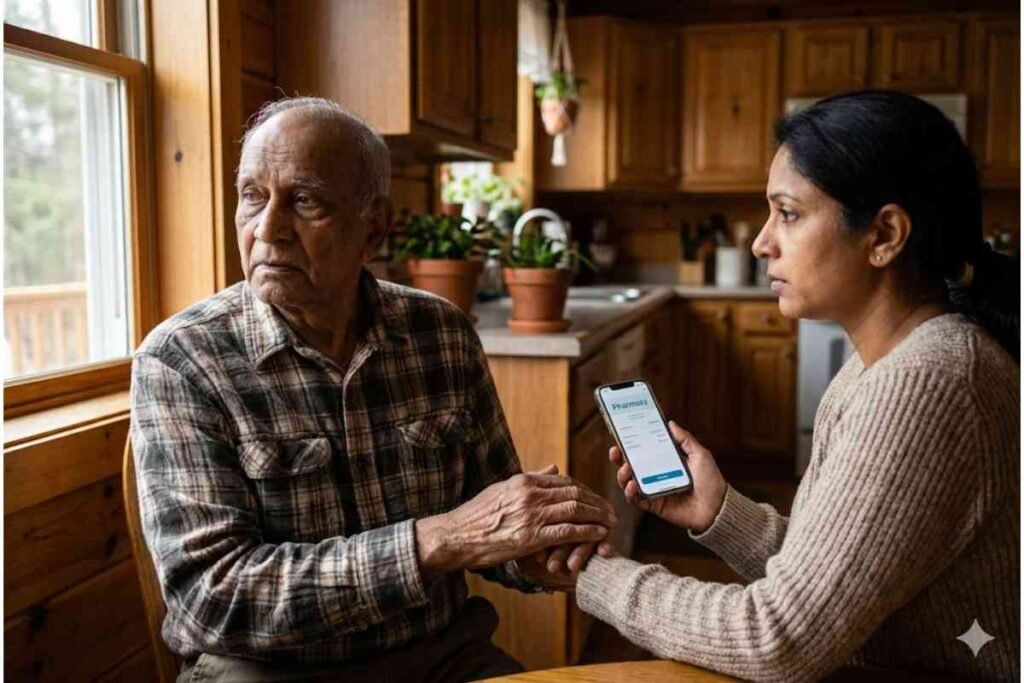
The Red Flag: A noticeable increase in frequency (not necessarily amount) of payments to pharmacies. Look for names like Apollo, Netmeds, Wellness Forever, or local chemist names.
The Diagnosis: If you see a transaction to a pharmacy once a month, it’s maintenance. If you see it three times a week, it’s a crisis.
What It Signals:
- Hidden Pain: An aging parent might be self-medicating for joint pain or gastric issues to avoid “bothering” the children with a doctor’s visit.
- Dependency: Frequent small purchases could indicate a reliance on over-the-counter sedatives, cough syrups, or pain relief sprays, hinting at an unaddressed chronic issue or nascent dependency.
2. The Midnight ‘Zomato’ Spike (The Mental Health Indicator)
The Red Flag: A cluster of food delivery transactions (Swiggy, Zomato, Zepto) occurring consistently between 12:00 AM and 4:00 AM.
The Diagnosis: This is rarely about hunger; it is about emotional regulation.
What It Signals:
- Insomnia & Anxiety: People who can’t sleep often turn to high-carb, high-sugar foods for a dopamine hit to soothe their anxious brains.
- Depression: A lack of motivation to cook or eat during the day, followed by binge eating at night, is a classic symptom of depressive episodes. If your fit, health-conscious sibling suddenly starts ordering junk food every night at 2 AM, it’s time to talk.
3. The ‘Micro-Transaction’ Cluster (The Addiction Pattern)
The Red Flag: Multiple, small-value transactions (₹50, ₹100, ₹200) to individual names or obscure merchant codes, often repeated several times a day.
The Diagnosis: This is the hallmark of modern digital addiction.
What It Signals:
- Online Gambling/Gaming: Apps like Dream11, RummyCircle, or illegal betting sites often take small deposits. The addict believes they are only spending “chutta” (small change), but the frequency tells a different story.
- Substance Abuse: While street dealers might prefer cash, many local paan shops or vendors now accept UPI for tobacco or other substances. A daily ₹200 ping to “Ramesh Paan Shop” might be more than just chewing gum.
4. The Transport Anomaly (The Secret Visits)
The Red Flag: Frequent Uber, Ola, or Rapido payments to a specific destination that isn’t work or home, or rides taken at unusual hours.
The Diagnosis: Movement patterns reveal intent.
What It Signals:
- Hidden Treatment: A family member might be visiting a clinic, a therapist, or a hospital for treatments they are too embarrassed to disclose (e.g., IVF clinics, oncologists, or psychiatrists).
- Crisis Escapes: Sudden, aimless rides can be a sign of panic attacks or a need to escape a stressful home environment.
5. The ‘Anhedonia’ Drop (The Depression Signal)
The Red Flag: This is about what is missing. A sudden cessation of spending on hobbies and joys. The monthly BookMyShow tickets stop. The weekend restaurant bills vanish. The shopping for clothes ends.
The Diagnosis: Anhedonia is the inability to feel pleasure in normally pleasurable activities, a core symptom of depression.
What It Signals:
- Withdrawal: If a vibrant family member’s UPI history suddenly looks like a bare-bones list of survival essentials (groceries and bills) with zero “fun” spending, they may be withdrawing from life. They aren’t saving money; they are losing the will to participate in the world.
6. The ‘Health Fad’ Surge (Health Anxiety)
The Red Flag: A sudden barrage of payments to nutrition brands, supplement stores, or “wellness” coaches.
The Diagnosis: While wanting to be healthy is good, a frantic, expensive obsession is often a sign of Hypochondria or Health Anxiety.
What It Signals:
- Fear of Illness: In a post-COVID world, many Indians suffer from severe health anxiety. They try to “buy” safety through expensive, unverified supplements or crash-diet programs. This spending is driven by fear, not wellness.
7. The ‘Lending’ Leak (The Financial Distress Signal)
The Red Flag: Large, round-figure transfers (₹5,000, ₹10,000) to individuals, or a series of “Request Money” notifications being approved.
The Diagnosis: Financial stress is a leading cause of physical ailments (hypertension, heart issues).
What It Signals:
- Debt Trap: They might be paying off informal loans or covering for a financial disaster they are hiding from the family. The stress of this secret debt can manifest as severe physical health problems. Spotting the financial leak allows you to address the root cause of the stress.
The Protocol: Care, Not Surveillance
This is dangerous territory. There is a fine line between a caring family member and a paranoid spy. How you use this data matters more than the data itself.
Rule 1: Context is King. Do not analyze the data in a vacuum. A midnight pizza might just be a midnight pizza. Look for patterns over weeks, not isolated incidents.
Rule 2: The Approach. Never confront a family member with “evidence.” Do not say, “I saw you spent ₹5,000 on pharmacy!” That induces shame.
Instead, use the insight to fuel empathy. Say, “I’ve noticed you seem a bit tired lately, and I’m worried about you. Is everything okay with your health? I’m here if you need to see a doctor.”
Rule 3: Consent. Ideally, families should have open finances. But if you share an account or are the primary caregiver for an elderly parent or a minor, you have a right—and a duty—to monitor. For independent adults, observation should be limited to what is shared or visible.
Conclusion: The Modern ‘Naadi Pariksha’ (Pulse Diagnosis)
In Ayurveda, the vaidya (doctor) checks the naadi (pulse) to read the secrets of the body. Today, the UPI stream is our modern naadi. It pulses with the rhythm of our daily lives.
By paying attention to these digital signals, we are not invading privacy; we are extending our sphere of care. We are looking out for the people we love in the medium where they live—the digital world. So, the next time you glance at the family expense tracker, look past the numbers. Look for the story. You might just save a life.
Call to Action:
Have you ever noticed a spending habit that turned out to be a health warning? How do you balance privacy and care in your family finances? Share your experiences in the comments below. Forward this article to the caregivers in your life, and follow IndiLogs for more insights into the hidden layers of Indian life.