India’s cultural heritage is a vast, inexhaustible treasure trove. It’s a repository of ancient wisdom, breathtaking artistry, profound philosophies, and time-tested wellness practices. For centuries, we have rightly revered this heritage as a source of identity and spiritual wealth.
But in the 21st century, a new generation of entrepreneurs is looking at this treasure with a different lens. They are realizing that our cultural assets – from grandmother’s recipes to ancient philosophical texts – can also be the foundation for innovative, authentic, and highly profitable businesses.
This isn’t about crass commercialization or selling out our culture. It’s about respectfully and intelligently translating our heritage into products, services, and experiences that have immense value in the modern world. It’s about becoming cultural entrepreneurs.
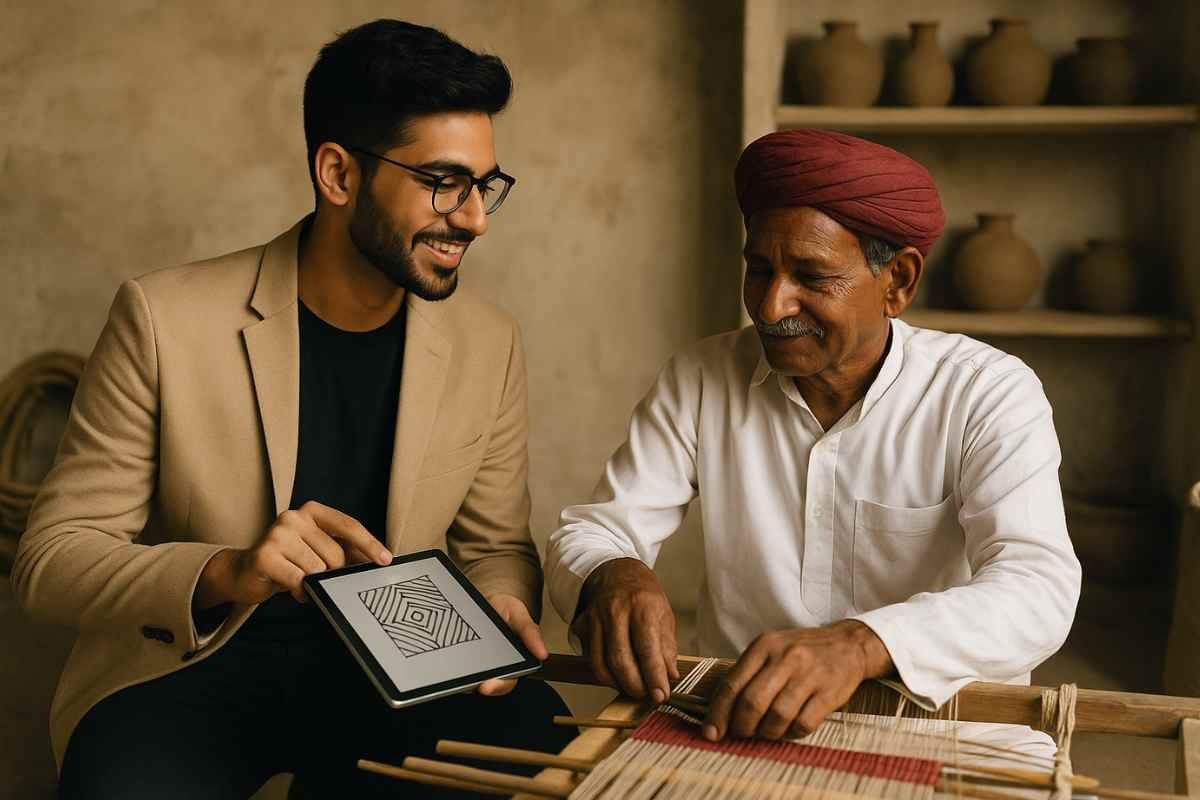
By adding a layer of modern design, technology, and business acumen to traditional knowledge, these innovators are not just making money; they are creating sustainable livelihoods for artisans and making our culture more accessible and relevant for a global audience. Here are five powerful strategies to turn Indian cultural heritage into profitable business assets, with examples of those who are doing it right.

1. The Artisan-Tech Bridge: Modernizing Traditional Crafts
The Asset: India has an unparalleled diversity of traditional crafts – handloom textiles, pottery, metalwork, wood carving, intricate painting styles.
The Challenge: These crafts often struggle with market access, outdated designs, and inconsistent income for artisans.
The Strategy: Use technology and modern design to bridge the gap between rural artisans and urban/global consumers.
- How to Do It: Create an e-commerce platform that showcases the stories of the artisans behind the products. Collaborate with weavers to create contemporary apparel using traditional fabrics like Ikat or Khadi. Use digital design tools to create modern home decor items based on traditional art forms like Madhubani or Warli.
- Case Study (Illustrative): Think of brands like Fabindia or newer online players like Jaypore or The India Craft House. They don’t just sell products; they curate experiences. They provide a platform for artisans, ensure fair wages, and present traditional crafts in a modern, aspirational context, commanding premium prices.
2. The Wellness Guru: Packaging Ancient Wisdom for Modern Stress
The Asset: Ayurveda, Yoga, meditation, and traditional Indian knowledge about herbs, nutrition, and holistic well-being.
The Challenge: This knowledge can seem complex, inaccessible, or “unscientific” to a modern audience.
The Strategy: Package this ancient wellness wisdom into accessible, beautifully designed, and scientifically validated products and services.
- How to Do It: Create a line of organic, Ayurvedic-inspired skincare products with modern, elegant packaging. Develop a meditation app that uses traditional chanting or philosophical concepts as its foundation. Start a food brand that offers ready-to-eat meals based on Ayurvedic principles of balanced nutrition. Launch a yoga retreat that combines traditional practice with luxury hospitality.
- Case Study (Illustrative): Brands like Kama Ayurveda and Forest Essentials have turned Ayurveda into a luxury beauty segment. Apps like Calm or Headspace, while not exclusively Indian, use principles of meditation that have deep roots here. The global yoga industry itself is a multi-billion dollar testament to this strategy.
3. The Storyteller-Historian: Monetizing Narrative & Knowledge
The Asset: India’s bottomless well of stories – from the epics (Ramayana, Mahabharata), Puranas, and Jataka Tales to local folklore, historical events, and philosophical concepts.
The Challenge: These stories can feel dense and inaccessible to a generation raised on fast-paced digital content.
The Strategy: Retell and reinterpret these ancient narratives for modern formats like podcasts, graphic novels, video games, and workshops.
- How to Do It: Create a podcast that breaks down the philosophy of the Bhagavad Gita for a modern professional audience. Launch a YouTube channel that tells stories from Indian history with engaging animations. Develop a line of beautifully illustrated children’s books based on Indian mythology. Offer corporate workshops on leadership lessons from the Arthashastra.
- Case Study (Illustrative): The enduring success of the Amar Chitra Katha comic book series is a classic example. More recently, podcasts like “The Musafir Stories” (travel) or “Echoes of India” (history) have built dedicated audiences by packaging Indian narratives in an engaging audio format.
4. The Culinary Curator: From Grandma’s Kitchen to the Global Market
The Asset: The incredible diversity of Indian regional cuisines and the secret, family-specific recipes passed down through generations.
The Challenge: These flavours are often confined to home kitchens and are difficult to scale.
The Strategy: Curate and productize unique, regional, or family-based food products with a focus on authenticity, quality, and story.
- How to Do It: Launch a brand of artisanal pickles (achaar) or spice blends (masalas) based on your grandmother’s secret recipe, complete with beautiful packaging that tells her story. Start a direct-to-consumer (D2C) business selling a specific, hard-to-find regional snack. Offer curated food tours or cooking classes that focus on the history and culture of a specific cuisine.
- Case Study (Illustrative): Numerous small-batch, artisanal food brands are emerging, leveraging Instagram and D2C platforms. A brand that sells, for instance, an authentic Malabar spice mix or a ready-to-use Kolhapuri masala, complete with the story of its origin, is monetizing culinary heritage.
5. The Experience Weaver: Curating Cultural Immersion
The Asset: The vibrancy of Indian festivals, rituals, music, dance forms, and the experience of daily life in different parts of the country.
The Challenge: Tourists and even many Indians often only experience these on a superficial level.
The Strategy: Design and sell curated, immersive cultural experiences that go beyond standard tourism.
- How to Do It: Create a boutique travel company offering a “Durga Puja experience” in Kolkata, including participation in rituals and behind-the-scenes artisan visits. Offer paid workshops on traditional arts like block-printing, classical dance, or even Vedic chanting. Develop a “Sadhyathon” where participants learn to cook and serve a traditional 26-course Kerala Sadhya.
- Case Study (Illustrative): Companies like Vedic Walks in Varanasi or various cultural tourism startups offer curated, in-depth experiences that go beyond simple sightseeing. They are monetizing the experience of Indian culture.
Turning heritage into a business requires a delicate balance of deep respect for the source and a sharp understanding of the modern market. It’s about being a translator, a curator, and a storyteller. By doing it thoughtfully, entrepreneurs are not just building profitable companies; they are becoming the most powerful custodians and ambassadors of our culture, ensuring it doesn’t just survive, but thrives in the 21st century.
What other aspects of Indian heritage do you think have untapped business potential? Share your ideas in the comments below! And if this piece sparked your inner cultural entrepreneur, please share it on WhatsApp, Facebook, and Twitter!