Table of Contents
For decades, the Indian startup narrative was dominated by a distinct inferiority complex. We looked to Silicon Valley for our “North Star,” cloning their models, mimicking their aesthetics, and measuring our success by their metrics. We laughed when our grandmothers insisted on using neem twigs for dental health, only to watch in bemusement years later as American brands sold “Organic Neem Tooth Cleaners” for $15 a pop. We ignored our copper water jugs, only to see them become the latest wellness fad in London.
But the tide is turning. As the Indian economy stabilizes—with inflation dropping and GDP growth projected at a robust 6.2%—a new confidence is surging through the nation. We are witnessing the rise of the “Indie Brand”—startups that are unapologetically Indian, not just in their location, but in their soul. From D2C ayurvedic beauty to artisanal coffee from Araku Valley, Indian founders are realizing that our culture is not baggage; it is a goldmine. It is a competitive moat that no foreign giant can easily cross.
Building a culturally-rooted business, however, is not just about slapping a paisley print on a box or naming your company “Veda.” It requires a delicate alchemy of deep anthropological understanding and razor-sharp modern business acumen. It’s about taking the ancient and making it aspirational. If you are ready to stop copying and start creating, here is your blueprint for building a business that is proudly Indian and globally profitable.
Step 1: The Cultural Excavation (Find the ‘Ritual’, Not Just the Product)
The biggest mistake founders make is looking for a “product.” Don’t look for products; look for rituals. Indian culture is a tapestry of daily habits—how we bathe, how we eat, how we pray, how we welcome guests.
Look at Forest Essentials. They didn’t just sell soap; they sold the ritual of the Royal Bath (Snana). They excavated the Ayurvedic texts to find recipes used by royalty, turning a commodity (soap) into an experience (luxury Ayurveda).
- Actionable Advice: Audit your own home. What is something your family has done for generations that feels “inefficient” but meaningful? Is it the champis (head massages) on Sunday? The specific spice blend for digestion? The use of brass vessels? That ritual is your business idea.
Step 2: The ‘Modern-Vintage’ Remix (Solving the Form Factor)
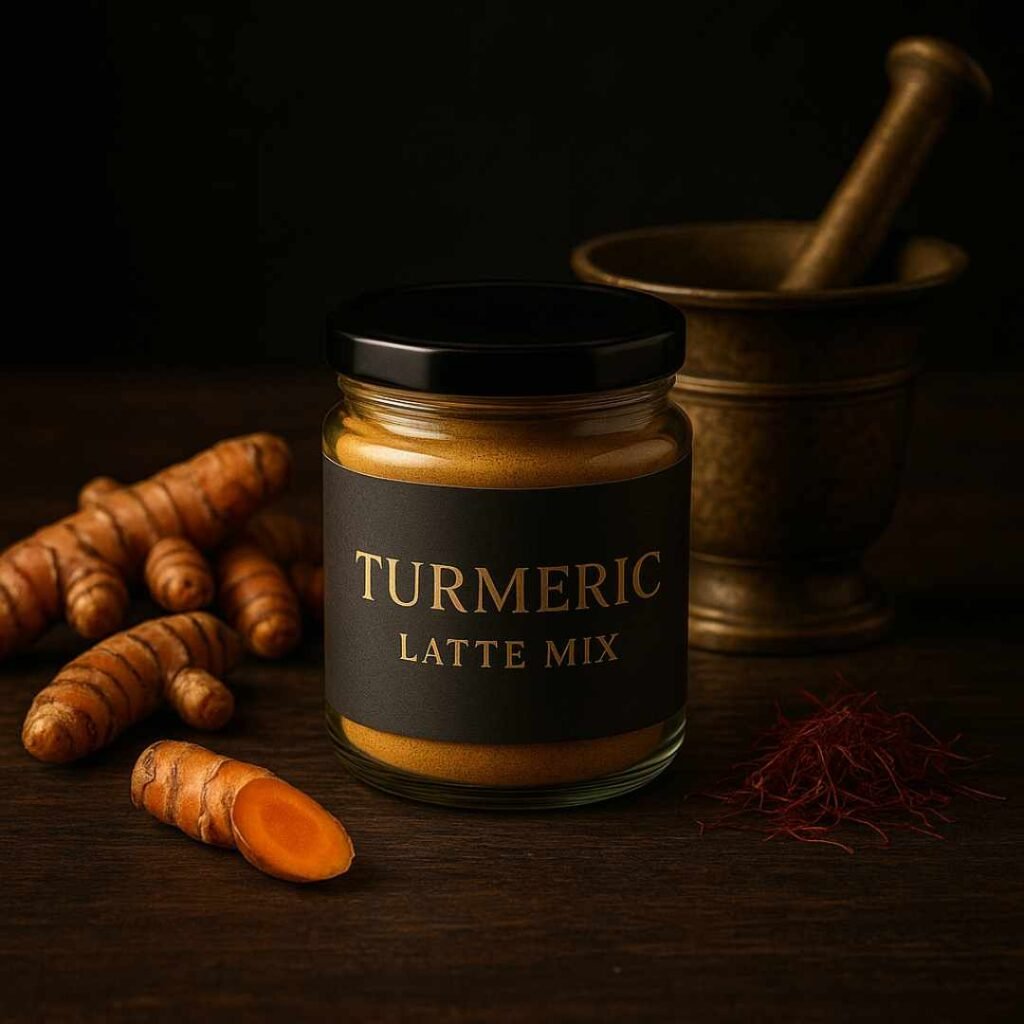
Once you have the ritual, you must solve its friction points. Cultural practices often die out because they are inconvenient for modern life. Datun (neem twig) is great, but messy. Haldi-doodh is messy to make every night.
Your job as an entrepreneur is to keep the soul of the ritual but upgrade the “form factor.”
- The Blueprint: If you are selling traditional Indian superfoods (like millets or amaranth), don’t sell them in boring gunny bags. create “Millet Muesli” or “Amaranth Energy Bars.” The Rameshwaram Cafe in Bangalore took the ancient dosa recipe but applied the assembly-line efficiency of a modern QSR. They remixed the vintage taste with modern speed.
- The Trap: Do not dilute the core benefit. If you modernize it so much that it loses its authenticity (like a “chocolate-flavored chyawanprash”), you lose the cultural hook.
Step 3: Design Language (Moving Beyond ‘Kitsch’)
For a long time, “Indian design” meant elephants, auto-rickshaws, and bright kitschy colours. That aesthetic is tired. The new Indian aesthetic is about minimalism, textures, and depth. It’s about the matte finish of terracotta, the weave of khadi, the geometry of yantras.
Your visual identity should scream “India” without whispering “souvenir shop.”
- Actionable Advice: Look at brands like Nicobar or Bombay Shirt Company. They use Indian textiles and fits but with a global, minimalist sensibility. Your packaging should look as good on a shelf in Paris as it does in Pune. Use typography that draws inspiration from Indian scripts (Devanagari, Tamil) but retains legibility.
Step 4: The Narrative Arc (Mythology + Logic)
Western marketing relies on the “Problem-Solution” framework. Indian marketing works best on the “Mythology-Logic” framework. We are a storytelling nation. We buy into legends.
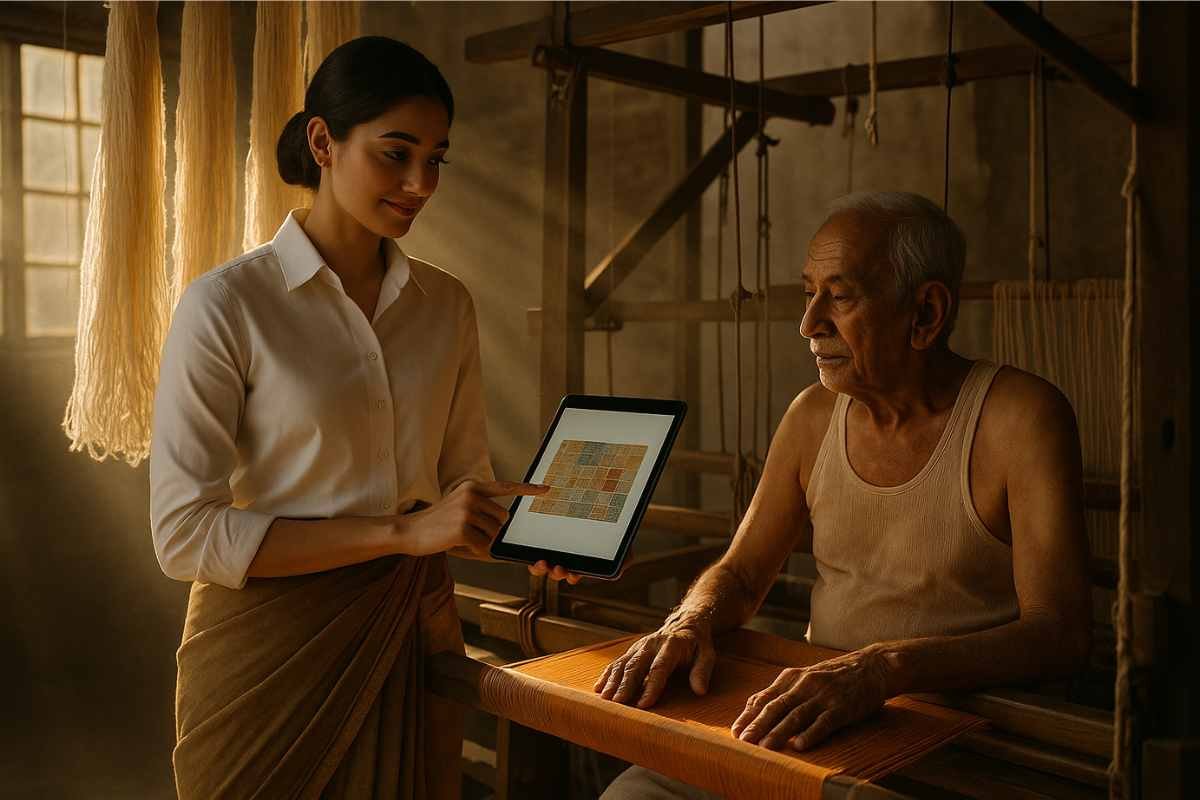
When you pitch your product, don’t just list the ingredients. Tell the origin story. Is your silk sourced from a village that has been weaving for the Chola dynasty? Is your metal craft technique mentioned in the Mahabharata?
- The Blueprint: Combine the Myth with the Logic.
- The Myth: “This hair oil uses a 500-year-old Adivasi recipe.”
- The Logic: “Cold-pressed, sulphate-free, and lab-tested for hair fall reduction.”
- This dual narrative satisfies the modern consumer’s need for scientific validation while feeding their hunger for cultural connection.
Step 5: The Supply Chain as a Social Mission
In a culturally-rooted business, your supply chain is your marketing. You cannot claim to represent Indian heritage if you are squeezing the local artisan or farmer. The modern consumer, especially Gen Z, demands ethical transparency.
- Actionable Advice: Adopt the “Farm-to-Face” or “Loom-to-Luxury” model. Profile your artisans. Put the face of the weaver on the tag. Brands like Jaipur Rugs have built a global empire by turning their weavers into the stars of the brand. This isn’t just charity; it’s a premium branding strategy. It creates an emotional connection that mass-produced Chinese imports cannot replicate.
Step 6: Marketing via ‘Indian Time’ (Festivals as Launchpads)
The Western calendar revolves around Christmas and Black Friday. The Indian calendar is a continuous stream of opportunities. Every region has its harvest festivals, its new years, its auspicious days.
- The Blueprint: Don’t just wait for Diwali. Launch a specific skincare line for the harsh winters of Lohri. Create a gifting pack for Raksha Bandhan that moves beyond chocolates. Use the vernacular internet. Collaborate with regional influencers who speak Marathi, Bengali, or Telugu. The “Next Billion Users” are not scrolling Instagram in English; they are watching Moj and ShareChat in their mother tongues. Speak to them.
Step 7: The Global Ambition (Yoga was just the beginning)
Finally, do not limit your vision to the domestic market. The world is currently obsessed with “conscious living,” “sustainability,” and “mindfulness.” These are concepts India has owned for millennia.
The West is tired of sterile, mass-produced consumerism. They are hungry for the soulful, the handmade, and the storied. Your culturally-rooted business is perfectly positioned to export “Indian Soft Power.” Whether it’s Vahdam Teas taking Indian chai to American drawing rooms or Lenskart taking Indian manufacturing global, the path is open.
The Golden Bird Flies Again
Starting a culturally-rooted business is not about looking backward; it is about bringing the past forward. It is about realizing that Dadi-ma ke nuskhe (Grandma’s recipes) are not old wives’ tales—they are time-tested R&D.
The government is pushing “Make in India.” The economy is strong. The internet has democratized distribution. There has never been a better time to be an Indian entrepreneur selling India. So, go ahead. Dig into your roots. The deeper you dig, the higher you will grow.
Is there a family tradition or local craft you think could be the next big business idea? Share your ‘desi’ startup concepts in the comments below!