Table of Contents
For decades, the “Indian Middle Class” was a static caricature in the minds of marketers and economists. They were the risk-averse, savings-obsessed demographic whose life goals were summarized by the Bollywood trope: Roti, Kapda, aur Makaan (Food, Clothing, and Shelter). They drove a Maruti 800 for 15 years, reused wrapping paper, and bought gold only for weddings. Building a business meant catering to this scarcity mindset—price was the only god.
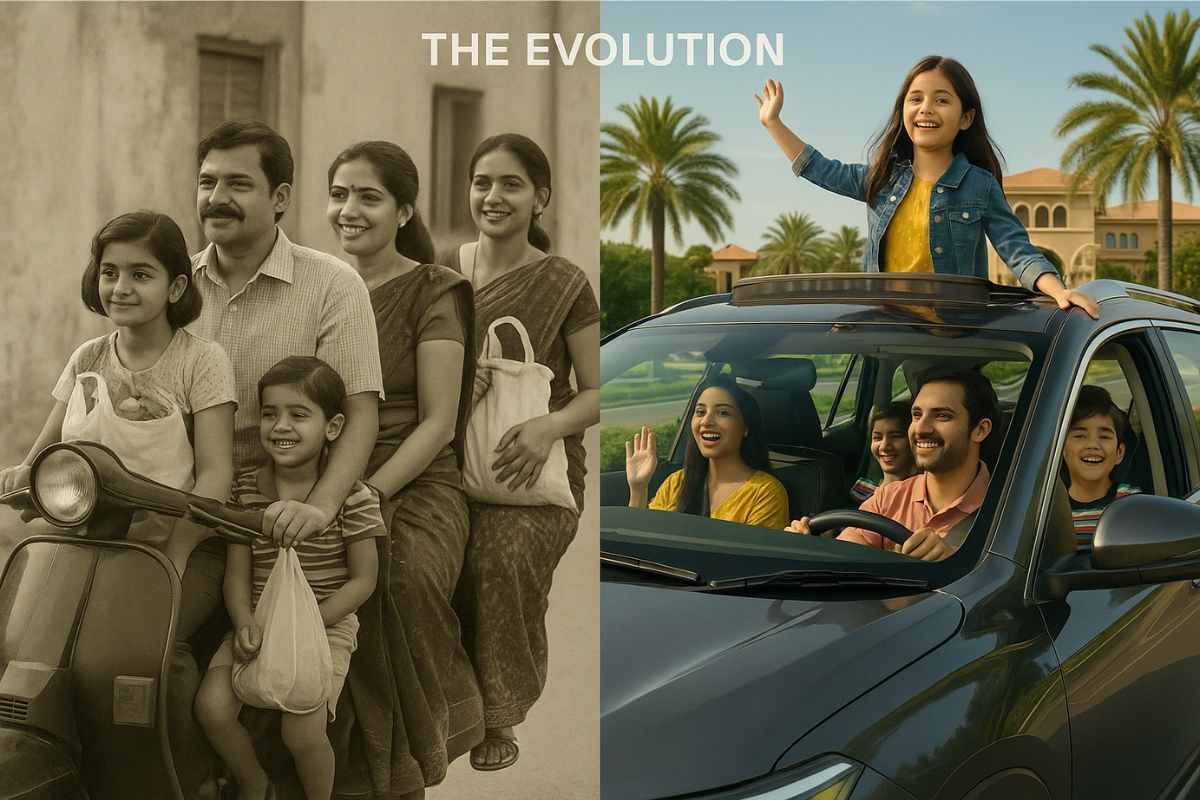
But if you look around today, that caricature has shattered. The middle class hasn’t just grown in size (estimated to reach 47% of the population by 2047); it has fundamentally mutated in mindset. The Maruti 800 has been replaced by a compact SUV with a sunroof. The “rainy day” fund is now being swiped on credit cards for a Coldplay concert or a trip to Vietnam. The scrimp-and-save mentality has given way to a bold “Upgrade Culture.”
For entrepreneurs, reading this evolution is the difference between stagnation and exponential growth. You cannot sell 1990s value propositions to a 2025 consumer. Here are five ways to read the shifting pulse of India’s middle class and the specific strategies you need to capture their expanding wallets.
1. The Shift from ‘Utility’ to ‘Premiumisation’ (The “Masstige” Opportunity)
The most visible shift is the death of the “bare minimum.” The middle-class consumer no longer wants the cheapest functional option; they want the “best accessible” option. Look at the automobile sector: entry-level hatchbacks are struggling, while SUVs with premium features are flying off the shelves. In FMCG, “premium” detergent and “gourmet” snacking are outgrowing the mass segments. This is the era of “Masstige”—Mass Prestige.
- The Strategy: Stop competing on the “race to the bottom” pricing. Instead, create a “Good-Better-Best” product ladder.
- Action: If you sell tea, don’t just sell loose leaf. Launch a premium “Estate Blend” with better packaging and a story about its origin. Position it as an affordable luxury. The consumer is willing to pay 20% more for a product that makes them feel 50% better about themselves.
2. The ‘Time-Poor, Money-Rich’ Paradox (The Convenience Economy)
The urban middle class is working harder than ever. Traffic is worse, corporate pressure is higher, and dual-income households are the norm. The result? Time has become more valuable than money. This demographic is willing to pay a premium for anything that buys them an hour of freedom. This explains the explosion of Swiggy Instamart, Blinkit, and Urban Company. They aren’t selling groceries or haircuts; they are selling time.
- The Strategy: Audit your customer journey for friction, not just price.
- Action: Pivot to a “Do It For Me” (DIFM) model. If you sell home decor, don’t just ship the product; offer an “installation service” add-on. If you are a nutrition brand, don’t just sell jars of powder; offer a subscription service that delivers pre-portioned daily sachets. Convenience is the new loyalty program.
3. The Rise of ‘Experiences’ Over ‘Assets’
The older generation hoarded assets—gold, land, fixed deposits. The younger middle class (Millennials and Gen Z) hoards memories. They define their status not by the jewellery in their locker, but by the photos on their Instagram feed. The incredible demand for Lollapalooza tickets or the surge in domestic tourism to “offbeat” locations signals a massive shift towards the Experience Economy.
- The Strategy: Productise the experience. Even if you sell a physical good, wrap it in an experiential layer.
- Action: If you run a clothing brand, organize exclusive styling workshops or pop-up events with music and art. Make your retail store “Instagrammable.” If you are in hospitality, stop selling “rooms” and start selling “curated weekends” (e.g., “The Coffee Plantation Trek Package”). You are competing for their leisure budget, not just their utility budget.
4. The ‘Conscious & Clean’ Awakening
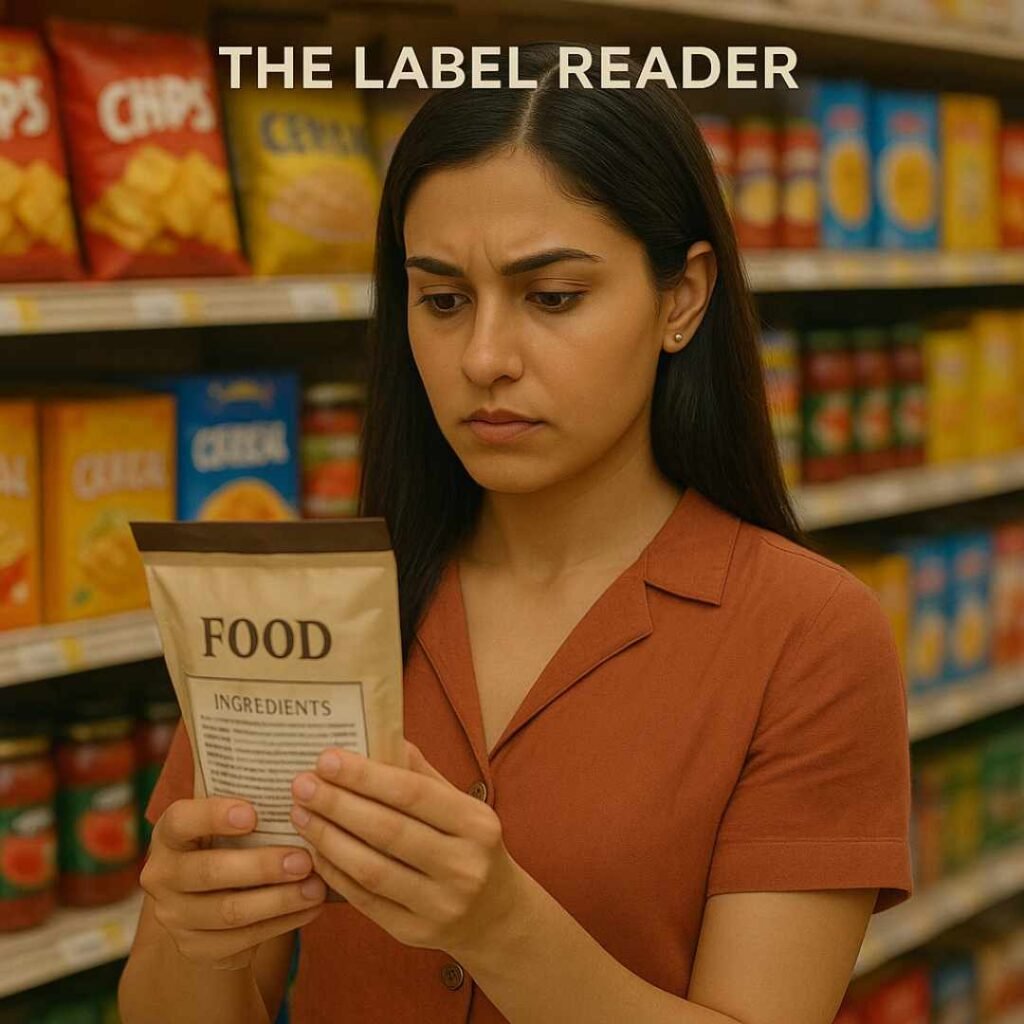
Post-COVID, the Indian middle class has developed a collective hypochondria that has evolved into a wellness obsession. They are reading the back of the label. They know what “Sulphate-free,” “Preservative-free,” and “Millet-based” mean. There is a deep distrust of industrial, mass-produced “junk,” and a willingness to pay for “Clean Label” products. This is why brands like The Whole Truth or Mamaearth disrupted giants—they promised transparency.
- The Strategy: Radical Transparency is your marketing weapon.
- Action: Remove the “nasties” from your product and scream about it. If you are a food business, put your ingredients list on the front of the pack, not the back. If you are in fashion, highlight the organic nature of your cotton or the ethical treatment of your weavers. Trust is the new currency, and transparency is how you mint it.
5. The Cultural Confidence (Bharat is Cool)
There was a time when “Imported” was the ultimate stamp of quality. Today, there is a fierce resurgence of cultural pride. The middle class is comfortable wearing a Saree to a cocktail party or drinking craft Gin made in Goa. They want modern products, but they want them rooted in Indian identity. They don’t want to be Western; they want to be globally competitive Indians.
- The Strategy: Adopt a “Modern Indian” aesthetic.
- Action: Don’t name your brand to sound French or Italian. Own your Indian roots. Use design elements that reflect Indian heritage (motifs, colours, scripts) but apply them with a minimalist, modern design language. Creating a “Desi” connection—whether it’s through nostalgia, festivals, or local ingredients—creates an emotional hook that global brands struggle to replicate.
The Indian middle class is no longer a monolith of penny-pinchers. They are ambitious, experimental, and demanding. The businesses that treat them as “cheap” will perish. The businesses that treat them as “aspirational” will build the empires of tomorrow.
Which of these shifts do you see most clearly in your own circle? Are you spending more on experiences or assets? Share your thoughts in the comments!